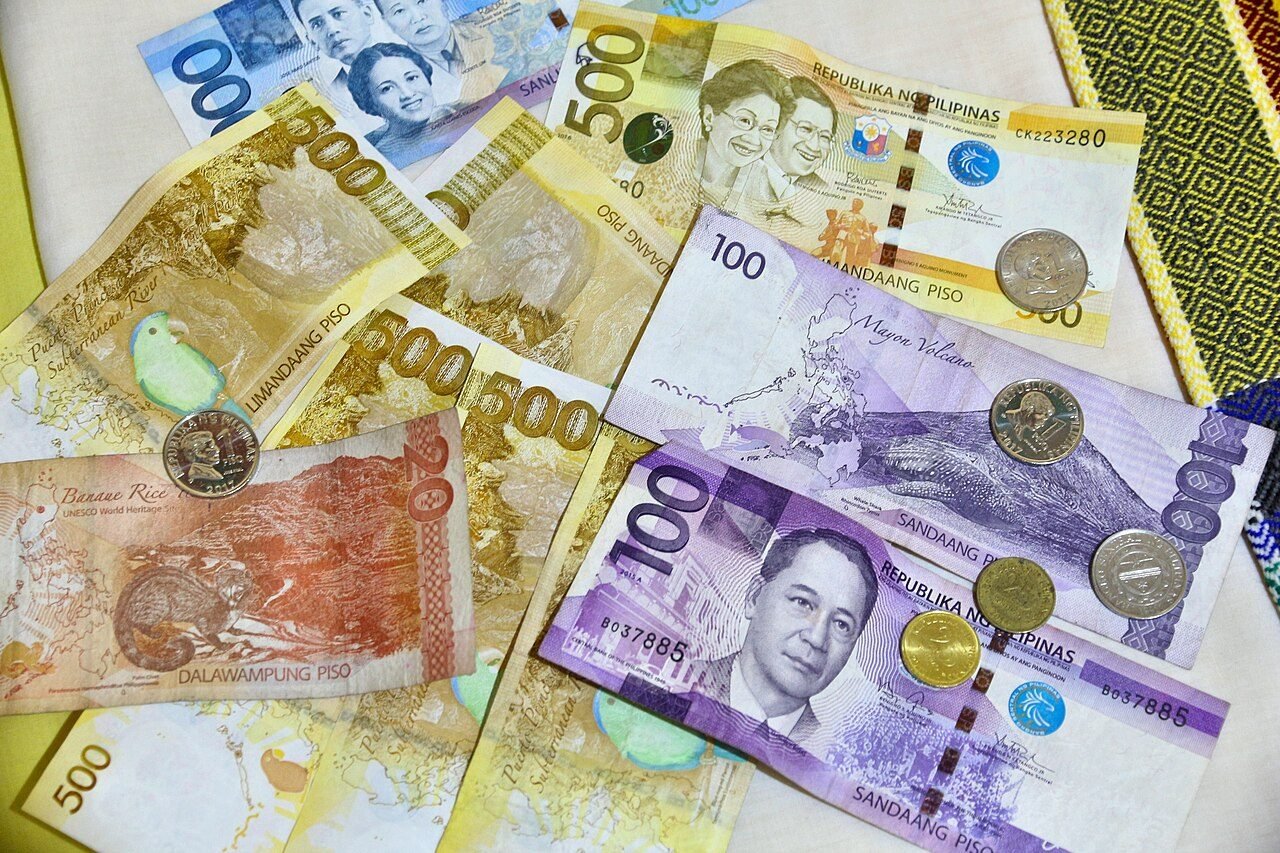
Whether you are traveling abroad, shopping online from an international store, or sending money to family overseas, currency conversion affects your daily life more than you might realize. Understanding how it works can save you money and prevent surprises.
What Is an Exchange Rate?
An exchange rate is simply the price of one currency expressed in terms of another. If the rate between the US dollar and the UAE dirham is 1 USD = 3.67 AED, it means one dollar can be exchanged for 3.67 dirhams. Exchange rates are the foundation of all international trade and travel.
Why Do Exchange Rates Change?
Exchange rates fluctuate constantly due to a complex mix of factors:
- Interest rates: Higher interest rates tend to attract foreign investment, strengthening a currency.
- Inflation: Currencies in low-inflation countries generally hold their value better.
- Economic performance: Strong economies attract investment and demand for their currency.
- Political stability: Stable countries attract more foreign capital.
- Supply and demand: Like any market, currency prices respond to how much people want to buy or sell.
Some currencies, like the UAE dirham, are pegged to another currency (in this case the US dollar), which keeps their exchange rate stable rather than floating freely.
How Currency Conversion Is Calculated
To convert 100 USD to AED at a rate of 3.67:
100 × 3.67 = 367 AED
To convert in the opposite direction, you divide instead of multiply. Converting 367 AED back to USD: 367 ÷ 3.67 = 100 USD.
The Hidden Cost: Spreads and Fees
The exchange rate you see quoted online is the mid-market rate, the midpoint between buying and selling prices. However, banks, exchange bureaus and payment services rarely give you this exact rate. They add a margin, known as the spread, plus sometimes a flat fee. This is how they make money on currency exchange.
This means the rate you actually receive is usually slightly worse than the headline rate. Always check the total cost, including fees, not just the advertised rate.
Tips for Getting the Best Rate
- Compare providers: Rates and fees vary significantly between banks, apps and exchange services.
- Avoid airport exchanges: These typically offer the worst rates due to their captive audience.
- Watch for dynamic currency conversion: When paying abroad, choose to pay in the local currency rather than your home currency to avoid inflated conversion fees.
- Use the mid-market rate as a benchmark: Check a currency converter first so you know what a fair rate looks like.
Staying Informed
Exchange rates move every second during trading hours. For large transactions, even a small rate change can mean a meaningful difference in the final amount. A reliable currency converter that uses up-to-date rates helps you make informed decisions, whether you are budgeting for a trip or timing an international transfer.